Pillar 03 • Play & Clubs

Kids' Clubs, Swimming & The Balance of Downtime

A fantastic children's programme can ignite a child's imagination and give parents two guilt-free hours with a novel. But hyper-scheduled resort timetables can quickly backfire into tears and exhausted meltdowns. Here is how to navigate activities sensibly.

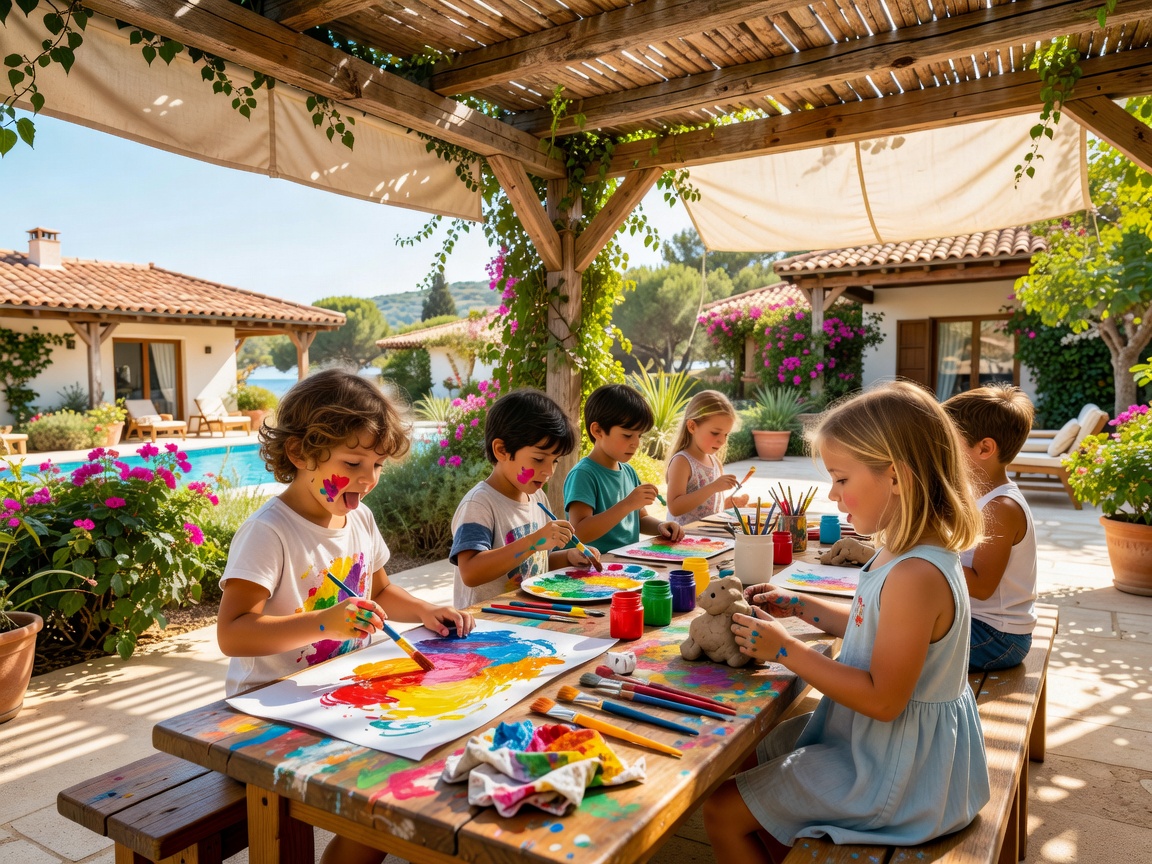
Children engaged in outdoor creative painting and clay crafts under a shaded pergola at a European resort

What Makes a Truly Good Kids' Club in Europe?

Resort brochures love to boast "Complimentary Kids' Club 4–12 Years!" But grouping a four-year-old who is still mastering toilet independence with an eleven-year-old gaming enthusiast rarely works for either of them. High-performing European family resorts divide their clubs into distinct developmental age brackets: mini (roughly ages 3–5), junior (ages 6–8), tween (ages 9–12), and teen lounges.

The second quality indicator is the physical location. Is the club tucked away in a windowless hotel basement, or does it occupy an airy, open-sided timber pavilion surrounded by olive trees and outdoor garden beds? High-quality programmes across Portugal, Spain, France, and Greece prioritize nature foraging, local ceramic painting, treasure hunts, and outdoor team play over indoor tablets and screens.
Staff Ratio Check: In Western and Southern Europe, reputable clubs operate with qualified childcare staff adhering to strict staff-to-child ratios (usually 1:3 for babies under two, 1:4 for toddlers, and 1:8 for ages four and up). Always check if prior booking is required or if it is drop-in.

Sports Academies: Tennis, Sailing & Football

Many Mediterranean resorts now partner with sports schools to offer specialized academies: morning tennis clinics, beginner windsurfing, or junior football coaching camps. These can be fantastic for sporty kids who thrive on structure and love meeting peers who share their passions.

However, be careful not to schedule your child's holiday into a corporate nine-to-five. If a child has football camp from 9:30 AM to 11:30 AM, swimming coaching at 2:00 PM, and tennis at 4:30 PM, you have replaced school stress with resort performance pressure. Pick one activity camp maximum for the week, preferably in the cooler morning hours before the heat intensifies.

The Art of Holiday Downtime

Children, just like adults, need unstructured time to stare at the water, throw pebbles into the sea, invent silly pool games, and build sand fortresses with their parents. The magic memories of family travel rarely come from structured bingo tournaments; they happen during the lazy forty-five minutes before dinner when everyone is sharing a plate of fresh melon on the balcony.

A sensible formula is the "Half-and-Half Rule." Give kids two hours in the morning at the club or pool games, and reserve the afternoon for unstructured family swimming, reading under the umbrella, or a gentle stroll through a nearby village bakery.

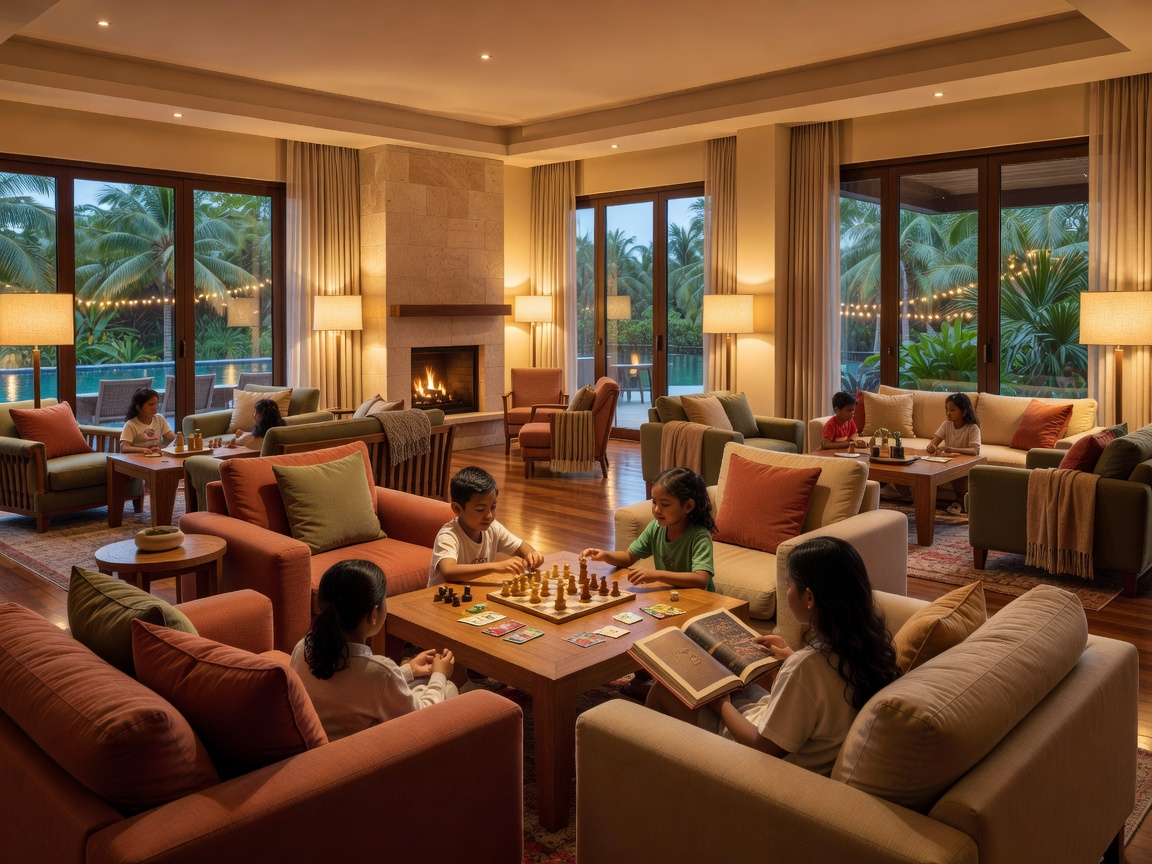
Comfortable resort family lounge with board games, reading books, and warm ambient lighting

What Happens When It Rains or Swelters?

Even in the sunniest stretches of Southern Europe, unseasonal thunderstorms or intense heatwaves happen. When the midday thermometer hits 38°C (100°F), swimming under the blistering sun is neither pleasant nor safe for delicate skin. What indoor facilities exist to absorb young energy when the outdoor pools are off-limits?

Look for resorts featuring air-conditioned indoor play centers, family cinema rooms, shaded craft libraries, or indoor heated family pool hours. Having a backup plan inside the resort keeps you from pacing the bedroom trying to keep restless children entertained with television reruns.

Indoor Heated Pool Access Shaded Midday Play Spaces Board Game Libraries

Investigating the Hardware: Pools, Dining & Steps

Activity schedules are only half the story. The physical setup of pools, restaurants, and prams routes dictates your day-to-day comfort.