Pillar 01 • Resort Selection

Choosing the Right European Resort Environment

Not all great family resorts look identical. Between intimate hilltop hamlets with shared pools and bustling seaside villages with six dining venues, the right match comes down to your kids' current ages, your family's sensory threshold, and what you actually want your morning routine to look like.

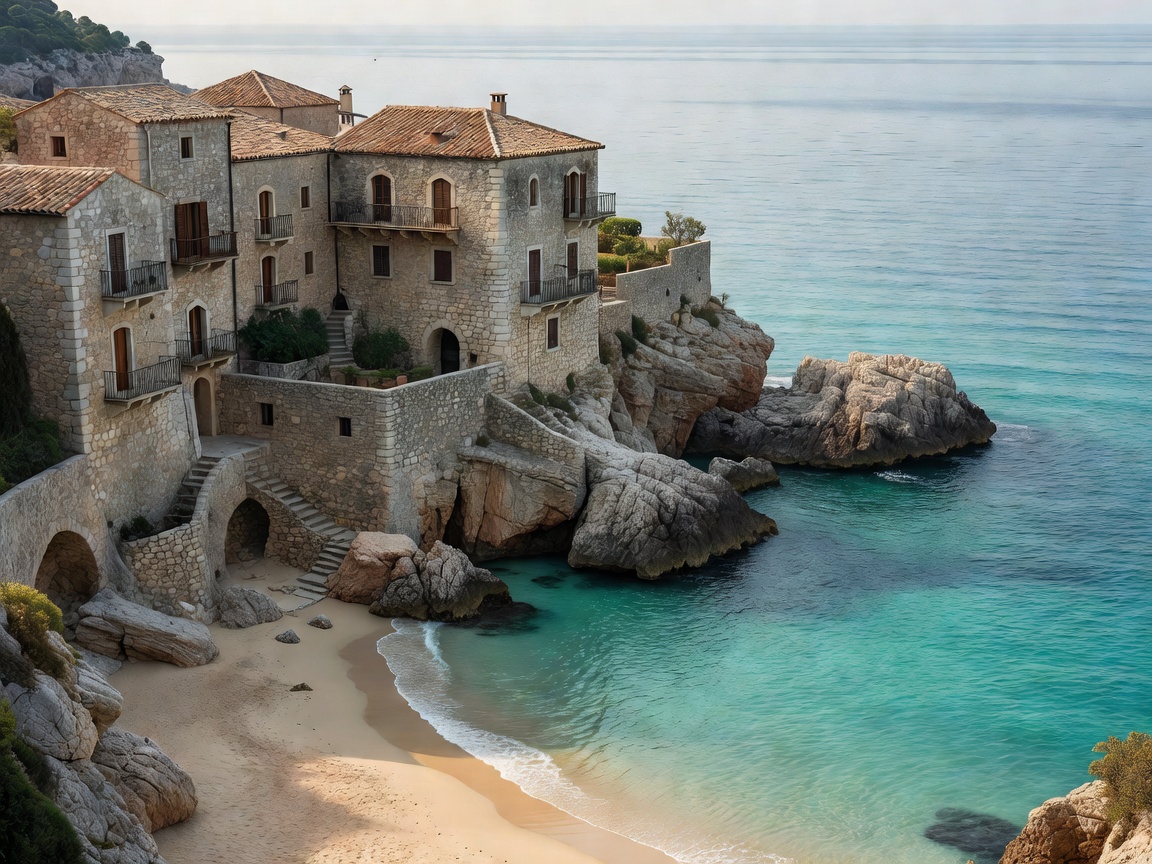
Elevated perspective of a stone-built coastal resort in Europe overlooking quiet turquoise waters

Scale Matters More Than You Think: Mega-Resorts vs. Boutique Villages

When you browse glossy resort photos, big properties look thrilling. There are eight swimming lagoons, four snack kiosks, three playgrounds, and a multi-court tennis academy. But here is the reality check: a large resort often comes with 15-minute walks under the midday sun just to fetch an ice pop or reach your swim gear. If you are pushing a pushchair with an exhausted three-year-old, vast sprawling acreage becomes a marathon.

Conversely, smaller boutique family resorts (typically 30 to 80 units) allow kids to gain a degree of gentle independence much earlier. The central pool is visible from the patio tables, the pathway to the front desk is flat and familiar, and the staff will actually know your names by Tuesday breakfast. The tradeoff? Smaller resorts often have quieter, less elaborate entertainment and simpler restaurant rotations.
Quick Decision Heuristic: If your children are under 5, lean toward compact, single-level or gently graded properties. Save the expansive multi-pool complexes for the age 7+ bracket, where children can jog back to your lounger without an adult navigation team.

Coastal Sand vs. Pine-Shaded Inland Settings

Many parents instinctively filter for "direct beach frontage." But in southern Europe—from the Algarve to the Greek islands and the Costa Brava—the type of beach makes a radical difference. Soft sandy beaches with gradual shallows are magnificent for toddlers and sandcastle sessions, but they also mean sand in ears, towels, and bedsheets for seven straight days.

Inland agriturismo-style resorts or properties nestled in pine forests often provide five to eight degrees of natural shade cooling during peak summer heat waves. They replace sandy footpaths with soft grass lawns where little ones can tumble around safely in bare feet. If you do choose a coastal setting, verify whether the beach access involves descending twenty steep stone stairs or if there is a paved ramp suited for wheeled buggies.

Entertainment Decibels & Sensory Atmosphere

Resort culture in Europe generally falls along two distinct paths: entertainment-led active resorts and restorative nature-led environments. Active resorts feature poolside DJs, water aerobics, evening dance revues, and mascot parades. For extroverted, energetic children, this is heaven on earth. They will make friends instantly and love the spectacle.

However, if your family craves decompression, noise fatigue is real. A resort where sound systems broadcast pop music across the family pool from 10:00 AM to 5:00 PM leaves very little room for reading or afternoon naps. Look carefully at resort activity descriptions: phrases like "gentle acoustic evenings" and "nature club workshops" suggest a radically different daily rhythm than "all-day animation and poolside tournament teams."

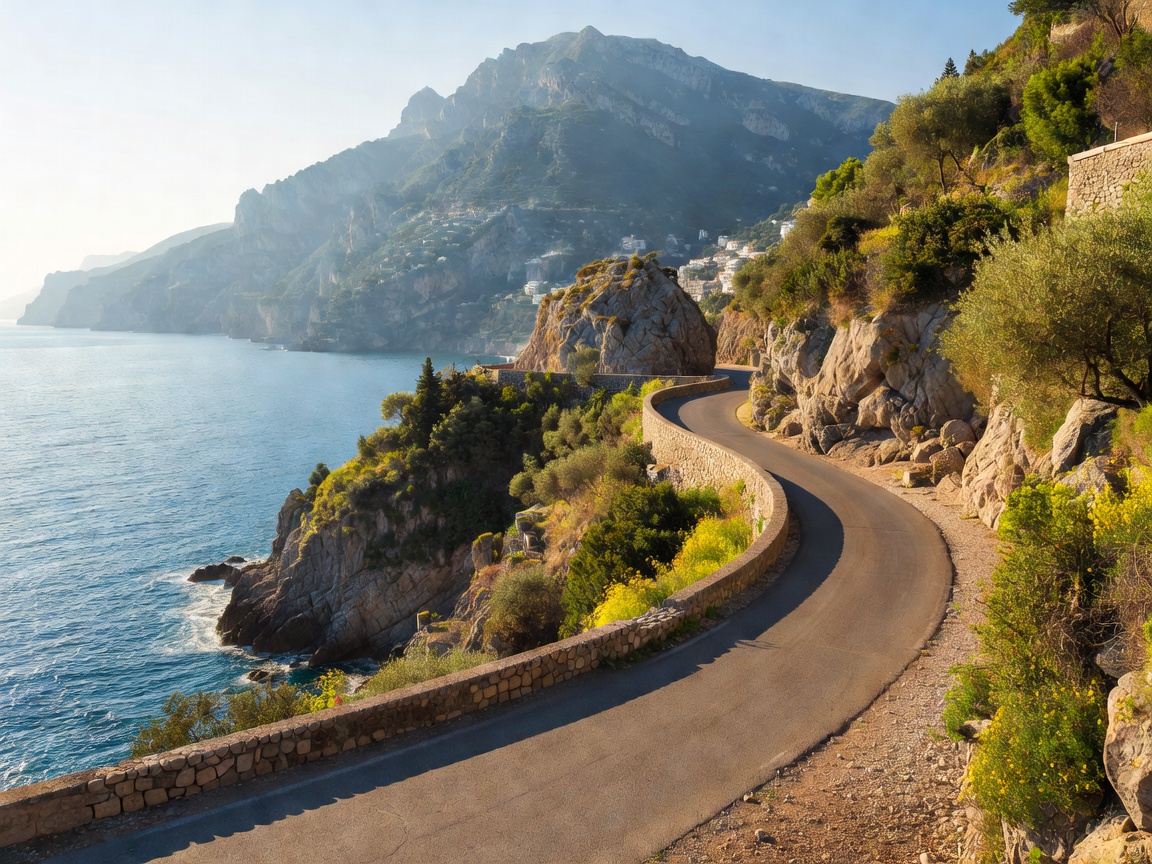
Scenic road winding along a sunny European coastline with mountain vistas

The "Last Mile" Trap: Airport Distance & Seasonal Timing

You found a flight that lands at 1:30 PM. Excellent. But did you check the transfer time to the resort? A 90-minute coach transfer along winding coastal roads after a three-hour flight and luggage collection can push overtired children straight into meltdown territory. For younger families, a resort located 30 to 45 minutes from a regional airport is usually worth a slight premium in accommodation cost.

Seasonal timing also shifts resort experiences dramatically across Europe. Visiting the Balearics or Crete in May or October brings blissful room rates and zero crowds, but outdoor unheated resort pools may hover around 18°C—chilly for shivering five-year-olds. In mid-July and August, daytime temperatures across southern Spain and inland Italy often climb past 35°C, requiring shaded play spaces, functional air conditioning, and morning-first schedules.

Verify Pool Heating Dates Private Transfers vs Bus Hops Shoulder Season Air Temps
Comparison Framework

How to Read Beyond the Marketing Photos

Photographs highlight sunset cocktails and deserted pools. Here is how to cross-examine what you are looking at before committing.

What The Brochure Shows The Practical Reality to Check Best Suited Age Cohort
"Direct Beachfront Access" Is it flat sand, or a cliffside pathway with 85 steps? Ask about pushchair accessibility down to the shoreline. Toddlers & Pre-schoolers (Need flat entry)
"Extensive Water World" Slides often carry height restrictions (typically 1.1m or 1.2m). Younger siblings may be barred from the fun sections. Ages 8 to 14 (Meets height requirements)
"Serene Hillside Terraces" Terraced stone designs mean steep retaining walls, steps, and blind corners. Difficult for unsteady crawlers. Older Teens & Multi-gen families
"All-Inclusive Dining" Check dining hours. If dinner starts at 7:30 PM, British and Northern European toddlers may struggle with the late shift. All ages, provided early meal seating is offered

Continue Your Planning

Once you've settled on the general setting and resort scale, the next make-or-break question is the room setup.